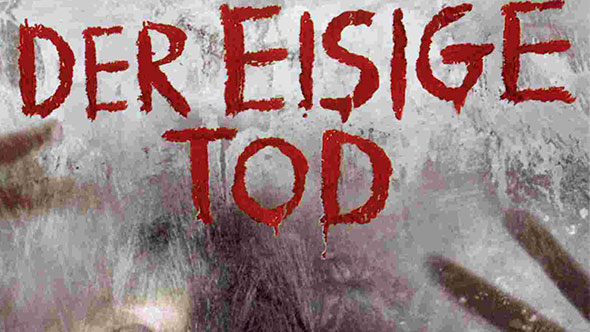
Der Eisige Tod Film: When a Snowstorm Road Trip Turns to Bore
The allure of a winter road trip, especially during the festive season, often conjures images of cozy car rides, picturesque snowy landscapes, and heartwarming family reunions. But what happens when that scenic journey takes a sinister turn, plunging characters not just into a blizzard, but into a narrative so predictable it threatens to freeze your interest solid? This is the premise behind Der Eisige Tod Film, known internationally as Wind Chill, a 2007 horror-thriller directed by Gregory Jacobs. While its initial setup holds promise for a chilling psychological ordeal, many critics and audiences found themselves wishing for a quick thaw to escape its icy grip of boredom rather than its supernatural frights.
Originally marketed with the intriguing German subtitle, "Der Eisige Tod – Es gibt schlimmeres als sterben" (The Icy Death – There are worse things than dying), the film sets the stage for a harrowing tale of survival against the elements and something far more sinister. However, despite its atmospheric title and a cast featuring Emily Blunt and Ashton Holmes, the movie struggled to deliver on its horror potential, leaving many viewers underwhelmed. Let's delve into why this particular winter journey became less of a terrifying ordeal and more of a narrative misstep.
The Premise: A Winter Wonderland Gone Wrong (or Just Mildly Annoying)
The story of Der Eisige Tod Film begins with a common college student predicament: getting home for Christmas. Our unnamed protagonist (Emily Blunt) is desperate to leave campus for the holidays and, finding herself without transport, turns to a notice board for a last-minute carpool. She finds a ride with another student (Ashton Holmes), whose initial awkwardness and a rather dilapidated car are just the first red flags. From the outset, the driver seems a bit off, perhaps knowing a little too much about her, his overly friendly demeanor bordering on suspicious. This early tension hints at a psychological thriller, a classic 'stranger danger' scenario playing out on the open road.
The true turning point, however, arrives when their vehicle is forced off the road by an unseen assailant, leaving them stranded in a desolate, snow-covered landscape. As if being stuck in freezing temperatures wasn't enough, a brutal snowstorm quickly descends, trapping them further. The initial setup is ripe for suspense: two strangers, isolated, facing the elements, and the unsettling possibility that one of them might be a danger. This initial phase of Der Eisige Tod Film builds a certain level of unease, suggesting a taut survival thriller. Yet, as the narrative progresses, it veers sharply away from this grounded psychological dread into a realm of the supernatural, attempting to combine two very different kinds of horror.
A Genre Identity Crisis: From Thriller to Supernatural Snooze
One of the most significant criticisms leveled against Der Eisige Tod Film is its muddled genre identity. The film dedicates considerable screen time to developing the "my-fellow-traveler-might-be-a-psychopath" theme. The driver's peculiar behavior, his seemingly unwarranted knowledge about the protagonist, and his general creepiness are well-established, leading the audience to expect a tense cat-and-mouse game within the confines of their broken-down car. This slow burn of suspicion could have formed the backbone of an effective thriller, playing on fears of vulnerability and the unknown intentions of others.
However, once the supernatural elements begin to manifest – strange apparitions, inexplicable events, and the ghostly figures haunting their icy predicament – the carefully constructed psychological tension largely dissipates. The film abandons its initial premise in favor of conventional ghost story tropes, often without sufficient logic or integration. This abrupt shift not only feels jarring but also renders the earlier build-up of the driver's creepiness largely pointless. Why invest so much in making him unsettling if his potential villainy is overshadowed and eventually irrelevant to the supernatural threat? This lack of narrative cohesion means that neither the psychological thriller aspect nor the supernatural horror fully develops, leaving viewers feeling like they've watched two underdeveloped film ideas mashed together. This critique is well-explored in articles such as Wind Chill (Der Eisige Tod): Why This Supernatural Thriller Fails, which dissects the film's structural issues.
When Atmosphere Fails: The Lack of Genuine Horror in Der Eisige Tod Film
For a horror film, especially one titled "The Icy Death," the inability to establish a genuinely scary or suspenseful atmosphere is a fatal flaw. Reviewers consistently point out that Der Eisige Tod Film fails to build any palpable dread or creepiness. Instead, it relies heavily on cheap jump scares and predictable genre patterns, which quickly become tiresome. The film follows a formulaic approach, where every "scare" can be seen coming from a mile away, stripping it of any real impact. This predictability, combined with a significant amount of "uninteresting dialogues," contributes to what many described as "gaping boredom."
Attempts to give the two nameless characters interesting background stories also fall flat, preventing the audience from truly investing in their plight. If viewers don't care about the characters, their survival becomes less crucial, and the horror elements lose their bite. The references indicate that audiences in sneak previews even started laughing during certain scenes, suggesting that the film's attempts at horror inadvertently veered into the realm of unintentional comedy. This is a common pitfall for films that prioritize shock over substance and fail to establish a consistent tone. Instead of creating a sense of icy terror, the film induces a different kind of chill: the one born of disengagement and disinterest. The sentiment that "there are worse things than dying" perhaps ironically points to the viewing experience itself, where enduring the film might feel like a lesser but still frustrating form of suffering.
Beyond the Snow: Lessons from Der Eisige Tod Film for Aspiring Horror Filmmakers
While Der Eisige Tod Film may not be a cinematic triumph, it offers valuable lessons, particularly for aspiring horror filmmakers and discerning viewers. Firstly, the importance of a clear and consistent narrative vision cannot be overstated. Mixing genres can be innovative, but it requires skillful execution to ensure all elements complement each other rather than detract. Had the film committed to either its psychological thriller aspect or its supernatural horror entirely, it might have achieved a more cohesive and impactful result.
- Character Development Matters: Even in horror, audiences need to connect with characters. Giving them depth and believable motivations makes their peril resonate more deeply.
- Atmosphere Over Jumps: Genuine horror stems from a well-crafted atmosphere, psychological tension, and dread, not just sudden loud noises or fleeting images. Films like The Grudge or The Babadook excel at this.
- Logic and Consistency: While horror often bends reality, internal logic within the film's established rules is crucial. Inconsistencies or plot holes can quickly break the audience's immersion.
- Subversion vs. Predictability: Good horror often subverts expectations. Relying on tired tropes only reinforces predictability, making the scares inert.
For audiences, understanding these elements can help in choosing films that truly deliver on their promise of fear. If you're looking for a film that successfully combines winter isolation with genuine dread, you might find more satisfaction in options like The Descent or even earlier works that master the claustrophobia of a confined setting. Ultimately, Der Eisige Tod Review: The Horror-Thriller That Missed the Mark sums up the critical consensus: a film that promised chills but mostly delivered indifference.
In conclusion, Der Eisige Tod Film, or Wind Chill, remains a curious case study in how a promising premise and atmospheric setting can be undermined by a lack of narrative focus, underdeveloped characters, and a reliance on uninspired genre clichés. While the idea of being trapped in a snowstorm with a strange driver and supernatural forces lurking is inherently terrifying, the execution failed to translate this potential into a memorable or genuinely frightening experience. For those seeking a truly chilling cinematic journey, this particular icy road trip might be one best left untraveled.