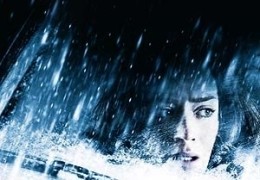
Wind Chill (Der Eisige Tod): Why This Supernatural Thriller Fails
In the vast landscape of supernatural thrillers, there are films that chill you to the bone, and then there are those that simply leave you cold. Wind Chill, known in German-speaking territories as Der Eisige Tod Film, unfortunately falls firmly into the latter category. Released in 2007 and directed by Gregory Jacobs, this cinematic endeavor promised a frosty blend of psychological suspense and spectral horror, but ultimately delivered a lukewarm brew of missed opportunities, illogical plot twists, and a palpable sense of boredom for many viewers. What exactly went wrong for this particular supernatural thriller?
The premise held genuine potential: a classic setup that usually paves the way for gripping tension. A college student, desperate to get home for Christmas, finds a last-minute ride advertised on a bulletin board. The driver is peculiar, his car a wreck, and the journey soon takes a terrifying turn when they're run off the road and stranded in a desolate, snow-covered wilderness as a blizzard rages. This isolated, claustrophobic scenario should have been fertile ground for fear, yet Der Eisige Tod Film struggled to build any lasting dread, instead devolving into a predictable and largely unengaging experience.
For a deeper dive into specific critiques, consider reading our Der Eisige Tod Review: The Horror-Thriller That Missed the Mark.
The Premise: A Promising Yet Perilous Road Trip to Nowhere
The initial setup of Wind Chill is deceptively strong. The journey of a young woman accepting a ride from a stranger, especially one who seems to know too much about her, inherently introduces a layer of psychological tension. Is he a stalker? A predator? This "my fellow traveler might be a psychopath" theme is a well-trodden path in cinema, and for a significant portion of the early film, it's the dominant force, hinting at a grounded, human-centric thriller. The decaying car, the remote setting, and the impending snowstorm all amplify this sense of foreboding.
However, once the car veers off the road and the protagonists are stranded, the film makes an abrupt and jarring shift. The psychological menace of the driver is largely sidelined, almost forgotten, as spectral phenomena begin to manifest. Strange apparitions, unexplained disappearances, and a pervasive sense of otherworldly dread take over. This sudden pivot is one of the film's most glaring issues, leaving viewers questioning the purpose of the painstakingly built initial tension. It's as if two distinct film ideas were haphazardly stitched together, with neither fully developing or complementing the other.
A Tale of Two Unconnected Genres
The failure of Der Eisige Tod Film to commit to a singular vision is a major stumble. The initial focus on the strange driver and his unsettling knowledge of the female protagonist creates an expectation of a psychological thriller. We're led to believe that the true horror will stem from human malice. Yet, this entire narrative thread is practically abandoned once the supernatural elements kick in. The driver's odd behavior, which once seemed menacing, is later explained away by the supernatural context, robbing the initial mystery of its impact and rendering much of the preceding setup irrelevant.
This lack of narrative cohesion means the film never truly finds its footing. It struggles to balance the two genres, often feeling like it's trying to be two different movies at once. The effort put into establishing the driver's creepiness is wasted when the film transitions to ghosts and unexplained events, leaving character motivations muddled and the plot feeling disjointed. Audiences are left with unanswered questions about the initial premise, while the emerging supernatural horror fails to compensate for the abandoned psychological tension.
The Chill That Never Came: Why "Der Eisige Tod" Fails to Frighten
A horror film's primary goal is to scare or unsettle its audience, but Der Eisige Tod Film struggles mightily in this regard. Despite its chilling title and premise, the movie fails to generate any genuine atmosphere of dread or suspense. Instead, it relies heavily on cheap jump scares and predictable genre tropes that have been seen countless times before. The supernatural elements, rather than being truly terrifying, often come across as mundane and uninspired.
The film attempts to create a sense of unease through shadowy figures and sudden noises, but these effects are rarely earned. They lack the build-up and psychological manipulation necessary to make them truly impactful. The fear dissipates as quickly as it appears, leaving a lingering sense of indifference rather than terror. This over-reliance on easily anticipated scares contributes significantly to the film's overall lack of effectiveness. For a film titled "The Icy Death," it ironically generates very little emotional chill.
Cardboard Characters and Dialogue Doldrums
A critical component of any successful thriller, especially a horror one, is compelling characters that the audience can invest in. Unfortunately, Der Eisige Tod Film falls short here too. The protagonists, known simply as "Girl" and "Guy," remain largely undeveloped. Despite attempts to weave in snippets of background information, these efforts largely fail to create characters with whom viewers can empathize or even relate. Their backstories feel tacked on, serving no real purpose in advancing the plot or enhancing the horror.
Compounding this issue is the film's dialogue. Much of the runtime is dedicated to conversations between the two leads, yet these exchanges are often uninteresting and fail to deepen our understanding of their personalities or predicament. Instead of building tension or revealing crucial insights, the dialogue frequently feels like filler, leading to long stretches of boredom. When characters are unengaging and their conversations lack substance, it becomes incredibly difficult for the audience to care about their fate, a fatal flaw for a horror film.
If you're curious about how a promising premise can lead to such a tepid execution, check out Der Eisige Tod: When a Snowstorm Road Trip Turns to Bore for more insights.
Logic Lost in the Blizzard: Narrative Inconsistencies and Missed Opportunities
One of the most damning criticisms leveled against Der Eisige Tod Film is its noticeable lack of internal logic. As the supernatural elements take hold, the narrative often seems to abandon reason, leaving plot holes and inconsistencies in its wake. Director Gregory Jacobs, it appears, prioritized atmosphere (or the attempt at it) over a cohesive and believable storyline. Why are these specific ghosts haunting this particular stretch of road? What are the rules governing their existence? How do they interact with the physical world? The film provides few satisfying answers, leading to confusion rather than clarity.
For example, the circumstances surrounding the initial accident are murky, and the subsequent inability of the characters to escape the seemingly endless stretch of road strains credulity. The mechanics of the haunting itself are ill-defined, making it difficult for the audience to suspend disbelief. When a supernatural thriller fails to establish its own rules, or frequently breaks them, the audience quickly disengages. The horror elements become arbitrary, losing their power to genuinely shock or terrify because there's no clear threat or discernible pattern.
Lessons from a Cold Reception: What "Der Eisige Tod" Teaches About Horror
The chilly reception of Wind Chill (Der Eisige Tod Film) offers valuable lessons for aspiring horror filmmakers and discerning viewers alike. Its failure highlights the crucial importance of several elements often overlooked in the pursuit of quick scares:
- Cohesive Storytelling: A film, especially a thriller, needs a clear narrative direction. Blending genres can be effective, but only if done thoughtfully and with a logical transition that serves the overall plot. Abandoning one premise for another mid-film is a recipe for audience disengagement.
- Character Development: Even in horror, audiences need characters to root for, or at least understand. Cardboard cutouts with uninspired dialogue make it impossible to feel invested in their survival.
- Atmosphere Over Jumpscares: True horror often stems from a pervasive sense of dread, built through sound, visual cues, and psychological tension, rather than cheap, predictable jump scares. The latter might elicit a momentary gasp, but the former creates lasting terror.
- Internal Logic: Even in supernatural tales, there must be a consistent internal logic. The rules of the world, whether real or imagined, need to be established and adhered to, otherwise, the audience will struggle to suspend disbelief.
The film's performance in preview screenings, where audiences reportedly walked out or found themselves laughing at unintentionally comedic moments, serves as a stark reminder that if a horror film doesn't deliver on its promise of fear, it risks alienating its audience entirely. Much like films such as Motel or Vacancy, which also struggled to transcend their generic premises, Wind Chill demonstrates how critical these foundational elements are.
Conclusion
In conclusion, Wind Chill, or Der Eisige Tod Film, stands as a cautionary tale in the supernatural thriller genre. Despite a promising setup involving a fateful road trip and a looming blizzard, the film ultimately falters due to a muddled narrative that mixes genres poorly, underdeveloped characters, uninspired dialogue, and a distinct lack of genuine scares. It's a film that fails to build atmosphere, relies on predictable frights, and frequently sacrifices logic for arbitrary plot points. For those seeking a truly terrifying and engaging supernatural experience, it's advisable to look elsewhere; this particular icy death provides more boredom than fright.